Estonia: Yes, it’s a real place
Somewhere between your Baltic city-breaks and a fairy-tale forest
Where Are We — and Why Is It So Quiet Here?
You’re not the first person to quietly Google “Where is Estonia?” under the table.
Yes, it’s a real country. No, it’s not part of anything else. And yes, we do have running water, electricity and an unreasonable amount of Wi-Fi.
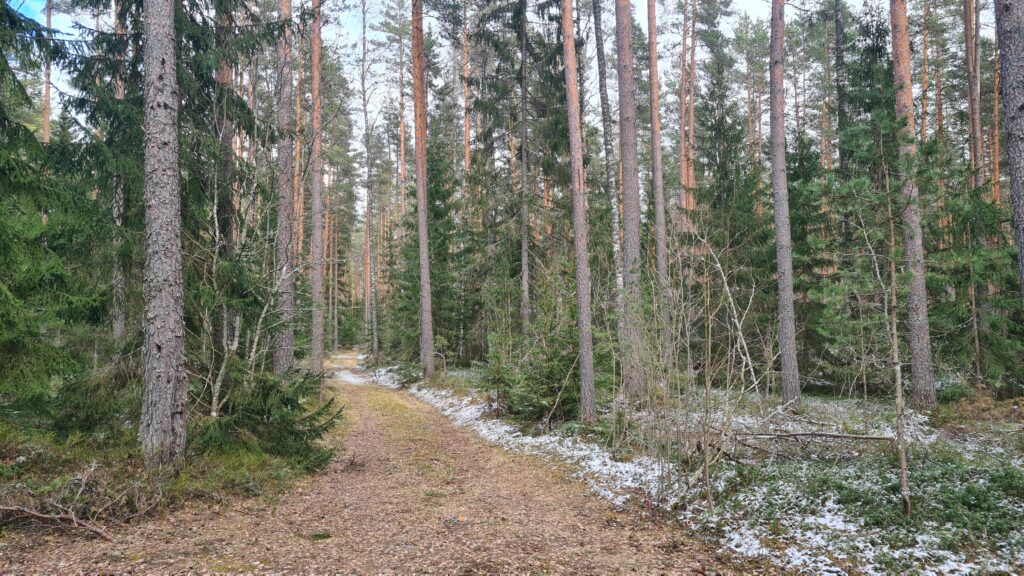
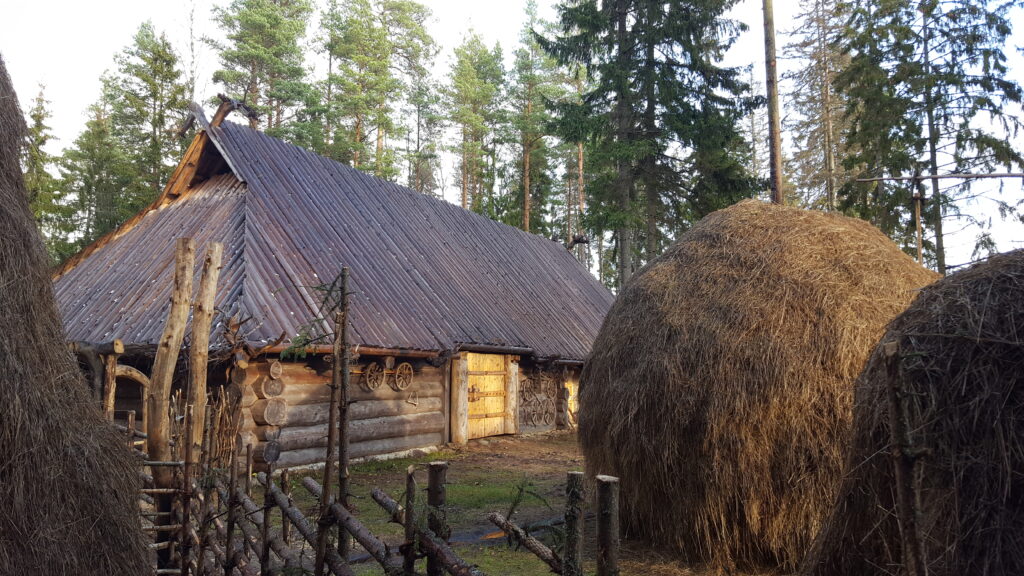
Estonia is one of the three Baltic countries on the shore of the Baltic Sea – small on the map, but full of forests, bogs and very independent-minded people.
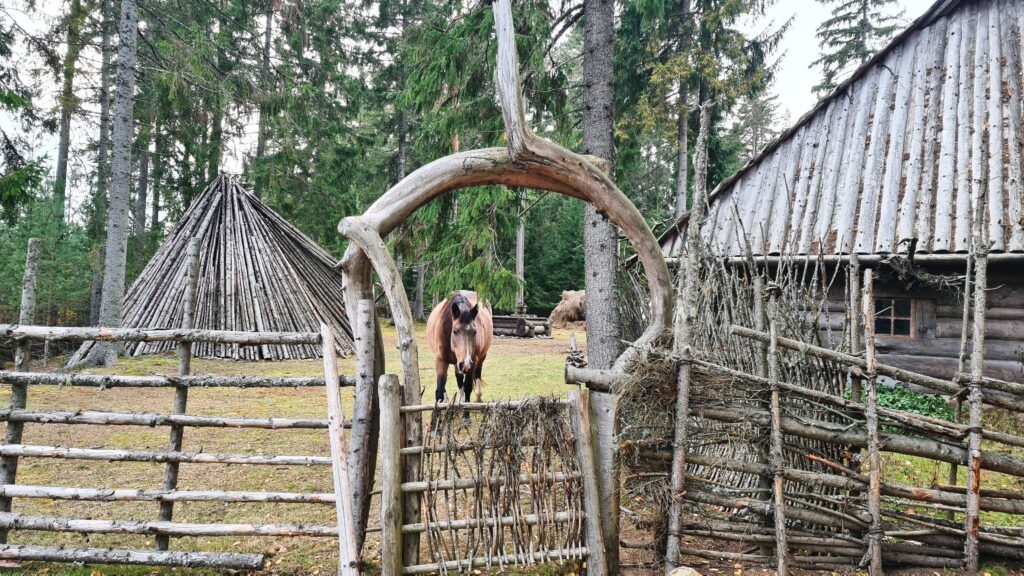
Estonia — where the forest is bigger than the capital
If you can’t spot Estonia on the map, look for the place where sea, forest, and small towns seem stacked on top of each other. And if Google Maps eventually gives up and says “No signal” — you’ve probably arrived exactly where you were meant to be.
Silence as a luxury
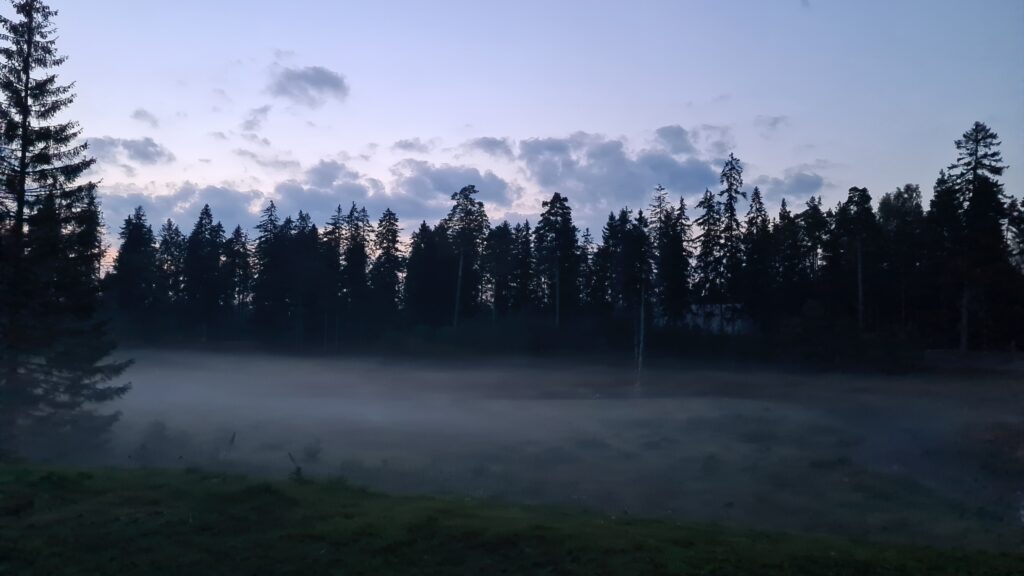
When you first arrive in Estonia, it might feel suspiciously quiet:
- the forest doesn’t take ad breaks
- nobody yells anything after you on the street
- and if someone talks, they do it quietly — so quietly that for the first time in ages, you can actually hear your own thoughts
For us, silence isn’t emptiness. It’s a comfort zone.
If you need a place where your phone goes quiet and your thoughts finally catch up — there’s a very good chance that place is somewhere around here.
Estonia is one of the most sparsely populated countries in Europe — about 30 people per square kilometre. That means there’s more space than small talk, and it’s completely normal to be the only human in an entire forest.
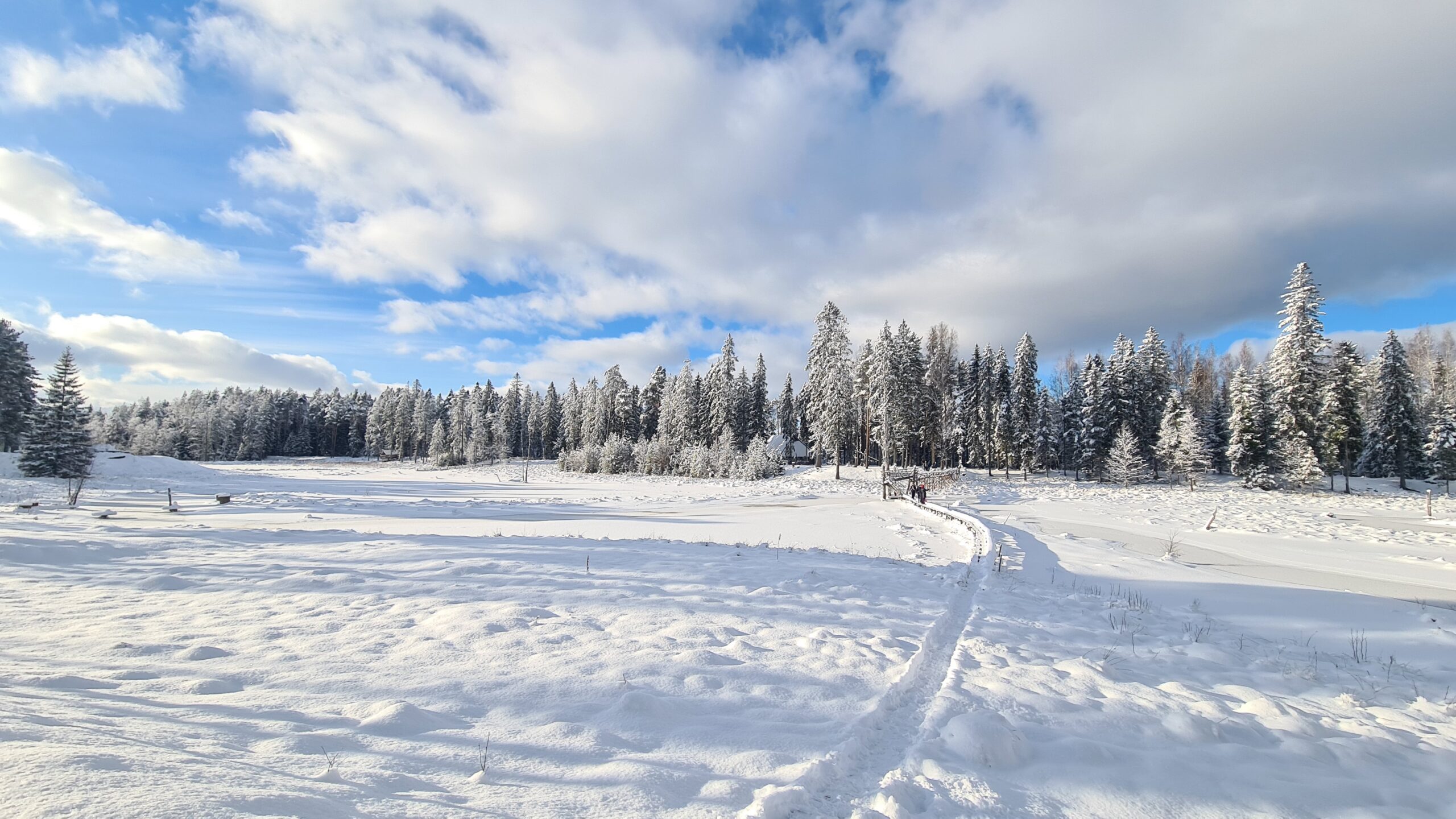
About a quarter of Estonia’s small territory is made up of bogs and wetlands — and this is where you’ll learn what a winter road is.
For a long time, we knew exactly that Estonia had 2,222 islands. New mapping studies show there are actually more — and by now, nobody can remember the real number anyway.
Good to know (Estonia in short)
- Currency: euro (€)
- Borders: Schengen Area — if you’re already in Europe, there’s no separate border control here
- Time: UTC+2 (UTC+3 in summer)
- Languages: Estonian. Younger people generally also speak English; you’ll also hear plenty of Russian and Finnish
Estonia’s Short History (really short)
Estonian history, simplified, goes like this:
a small people live by the sea in the woods, and big powers take turns dropping by to see whether that forest might suit them too. Somehow, the people stayed — and we still call this place Estonia.
The first settlers reached Estonia’s western coast about 11,000 years ago, right after the Ice Age retreated from this area. That’s why Estonians are often considered one of Europe’s longest continuously settled peoples in the same place.
In ancient Estonia, the ancient Estonians lived in a world of their own — villages, beliefs, and hillforts. In the 13th century, crusaders and kings arrived, and a long period began in which most Estonians were peasants, while some local noble families merged into the Baltic German aristocracy. The people themselves didn’t disappear — only the roles around them changed, along with the official languages spoken over their heads.
Who has ruled here (short list)
- Pre-conquest Estonia — before the 13th century: local tribes, hillforts, and a fully developed stratified society (long before any foreign kingdoms arrived)
- Kingdom of Denmark — 13th century in Northern Estonia
- German orders and bishoprics (Livonia) — 13th–16th centuries
- Kingdom of Sweden (“the good old Swedish times”) — 16th–18th centuries
- Russian Empire — 18th to early 20th century
- Republic of Estonia — independence from 1918 to today
- Soviet occupation — the complicated WWII and post-war era, 1940–1991
The Estonian: personality & character
So what is an Estonian actually like?
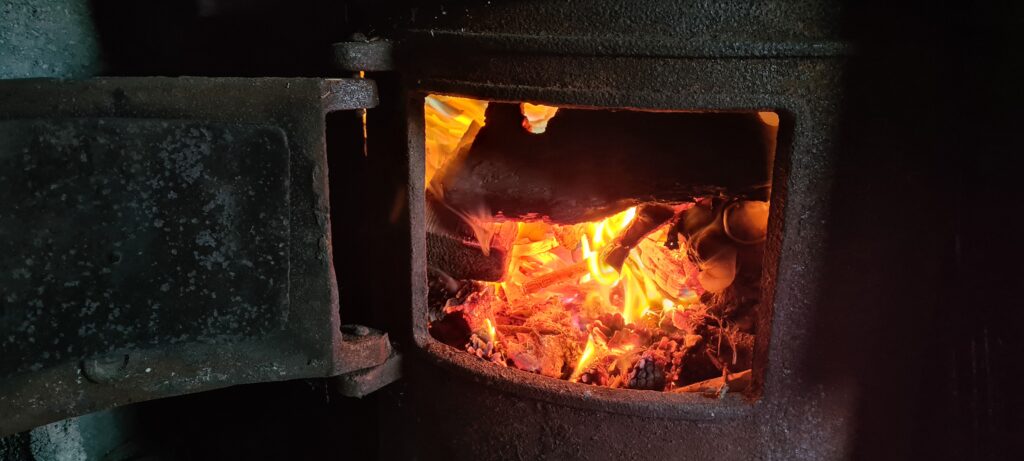
An Estonian is a bit like a wood-burning stove — quiet at first, but warm once it gets going.
We’re often described as quiet, modest, and a little serious. Sometimes even suspicious — which, honestly, isn’t entirely wrong. If you’ve lived in a place where rulers change like seasons (see: Estonia’s very short history), it makes sense to calmly check who just showed up this time and what their plan is. That doesn’t mean we’re hostile — we just don’t feel the need to say every thought out loud.
For us, silence isn’t awkward. It’s a completely normal form of communication.
If nobody says anything, it doesn’t mean something is wrong. Maybe everything is simply fine.
Distance, smiles, and eye contact
Estonians love space — in nature and in conversation:
- we don’t squeeze up against you in a queue
- we don’t stick our nose into your life on the first meeting
- and we don’t immediately ask for your whole life story
Smiling is generally on power-saving mode.
If a stranger on the street gives you a big cheerful grin, there’s a good chance they’re a tourist.
Eye contact is its own topic:
a long, direct stare is practically a marriage proposal —
so try not to do it by accident on the tram.
How to become friends with an Estonian
The good news: once the ice melts, an Estonian can be a loyal, straightforward friend. A few simple tips:
- Compliment our nature and our weather — even if the rain is coming at you sideways.
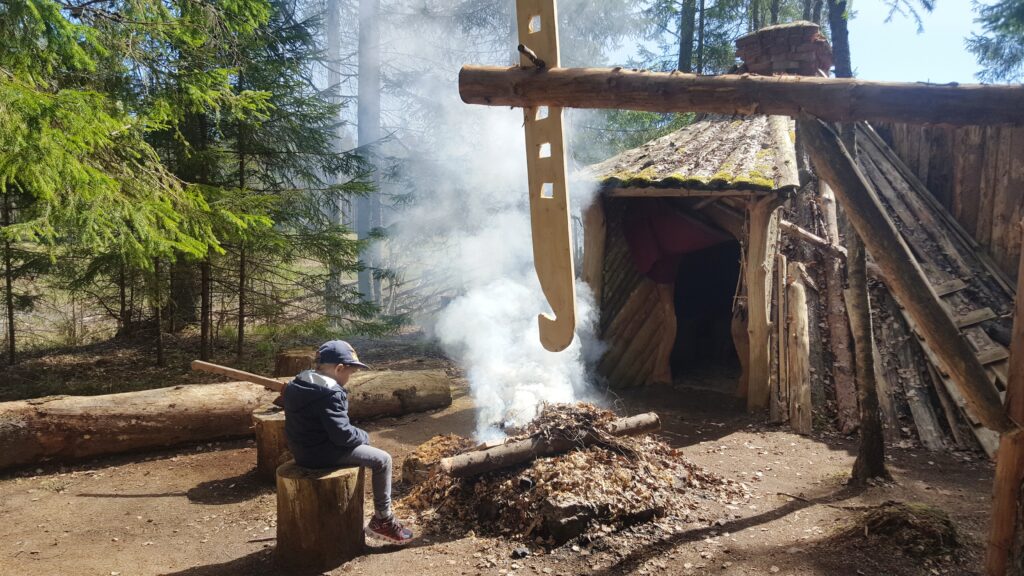
- Invite them to the forest, a bog, or the sauna — shared silence by a campfire or on a sauna bench is a higher level than small talk.
- Give them time to think — an Estonian doesn’t always answer immediately, but the answer is usually honest (and not just polite filler).
- Learn a couple of Estonian words (tere, aitäh, terviseks) — it makes eyes light up more than a third coffee.
If you give an Estonian a bit of time and space, you’ll discover that under that quiet outer layer there’s warm humour — and, yes, probably a pretty stubborn heart.
Tere — Hi / Hello
Aitäh — Thank you
Palun — Please / You’re welcome
Terviseks — Cheers / Bless you (no, it has nothing to do with sex — it literally means “to your health”)
Head aega — Goodbye
Jah / Ei — Yes / No
Vabandust — Sorry / Excuse me
Kus on…? — Where is…?
Kui palju see maksab? — How much does this cost?
Üks õlu, palun — One beer, please
Mhm — Yes / No / Maybe / I heard you (context matters)
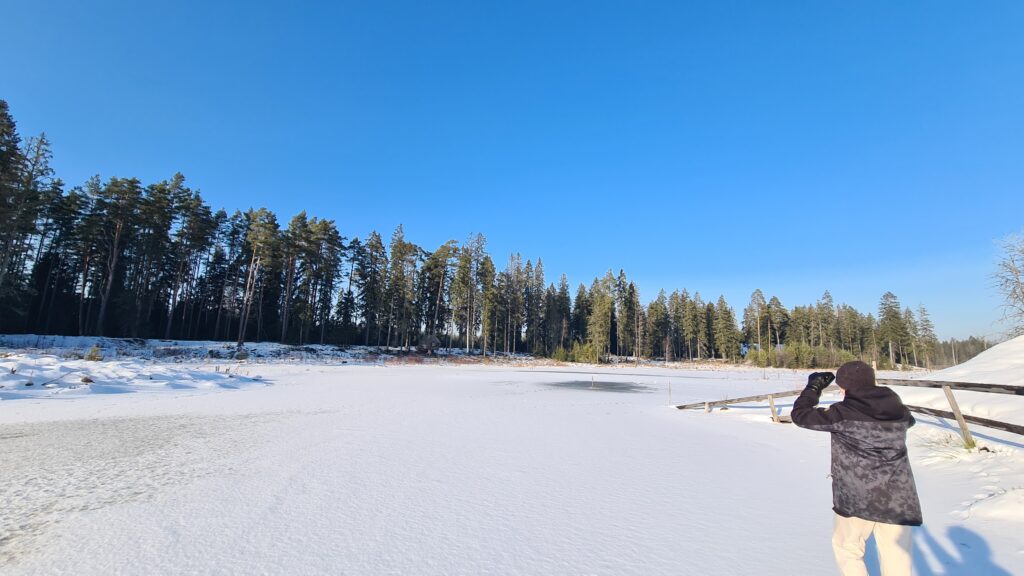
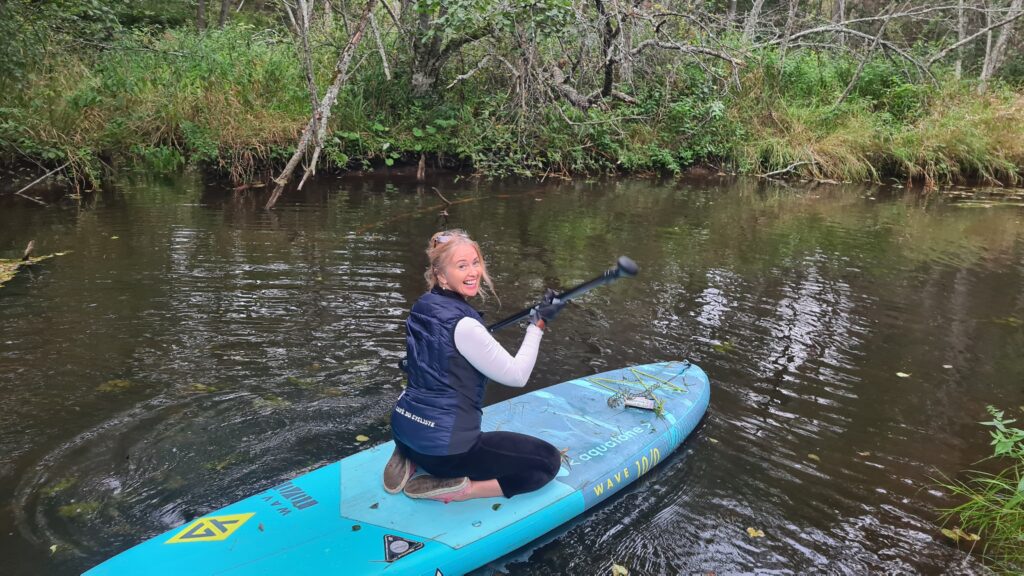
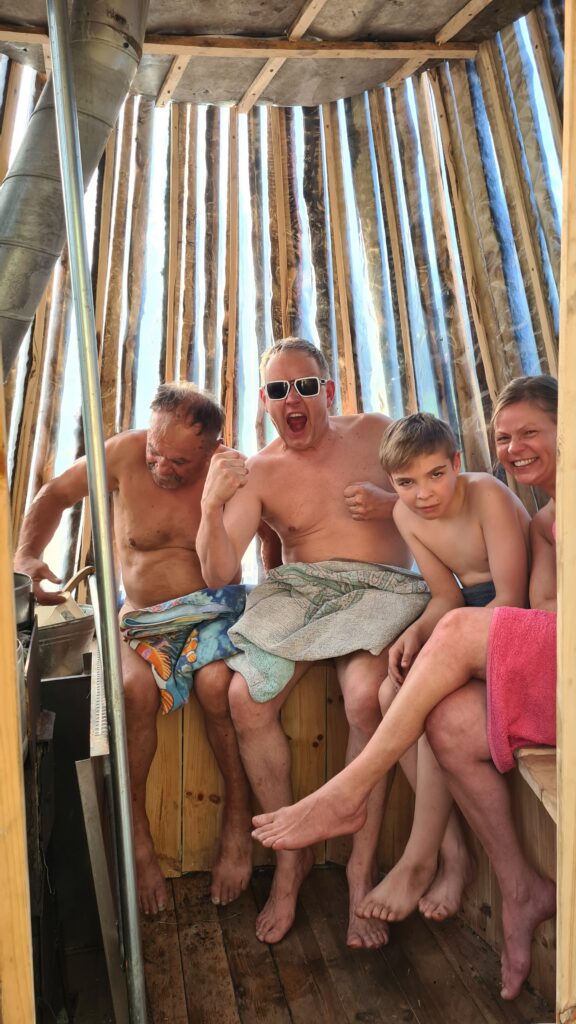
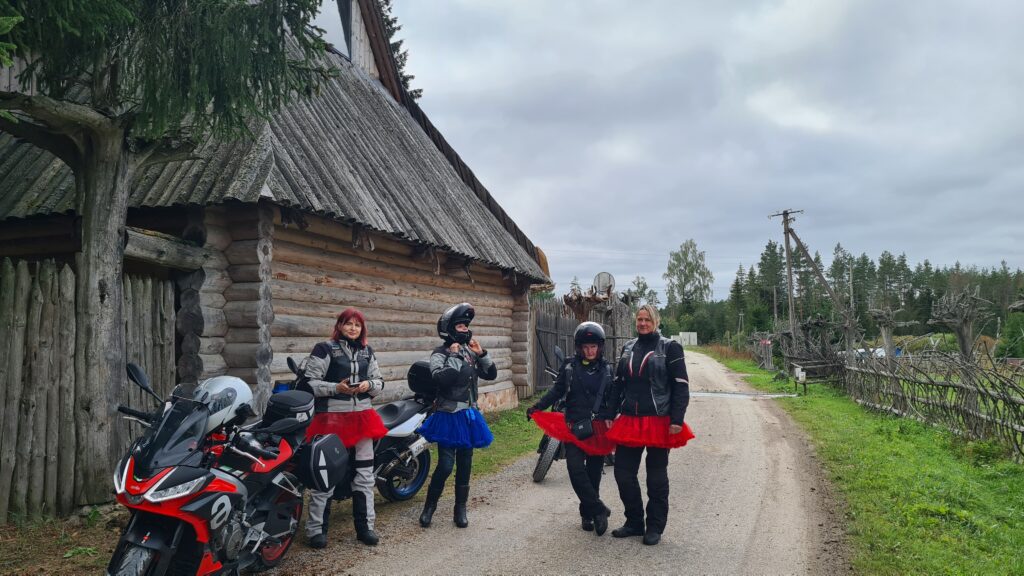

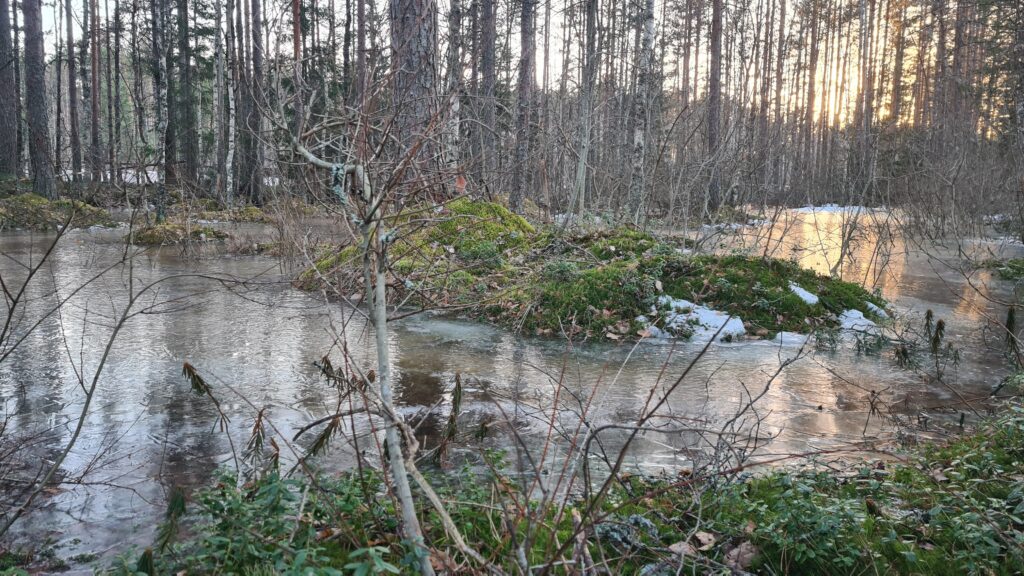
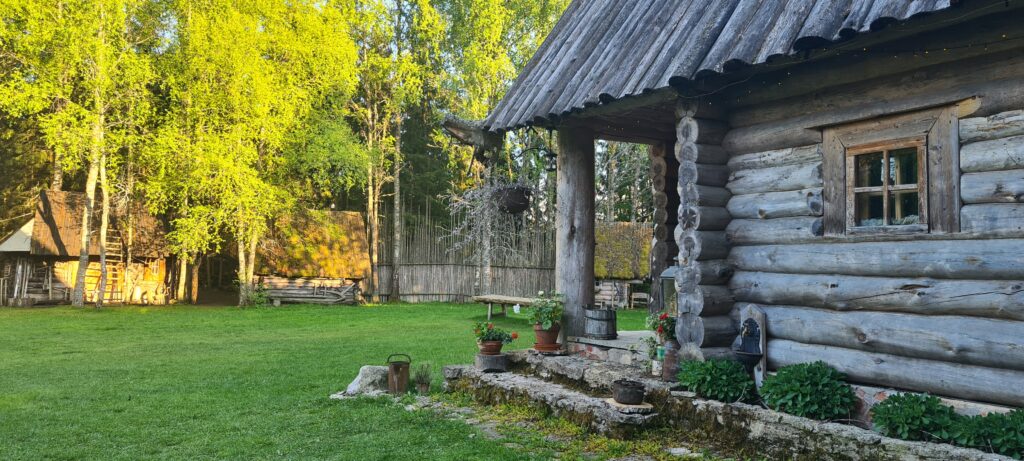
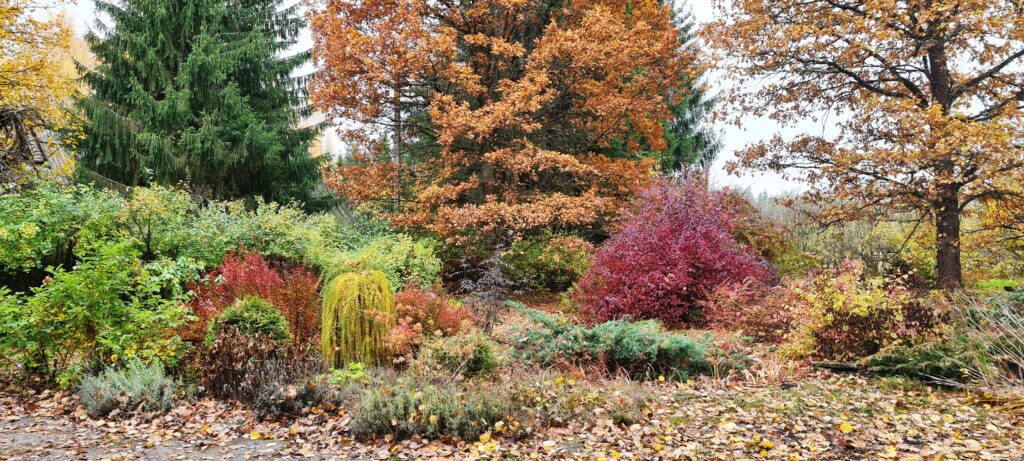
The Four Seasons: Same Place, Four Different Worlds
In Estonia you don’t just change months – you change worlds.
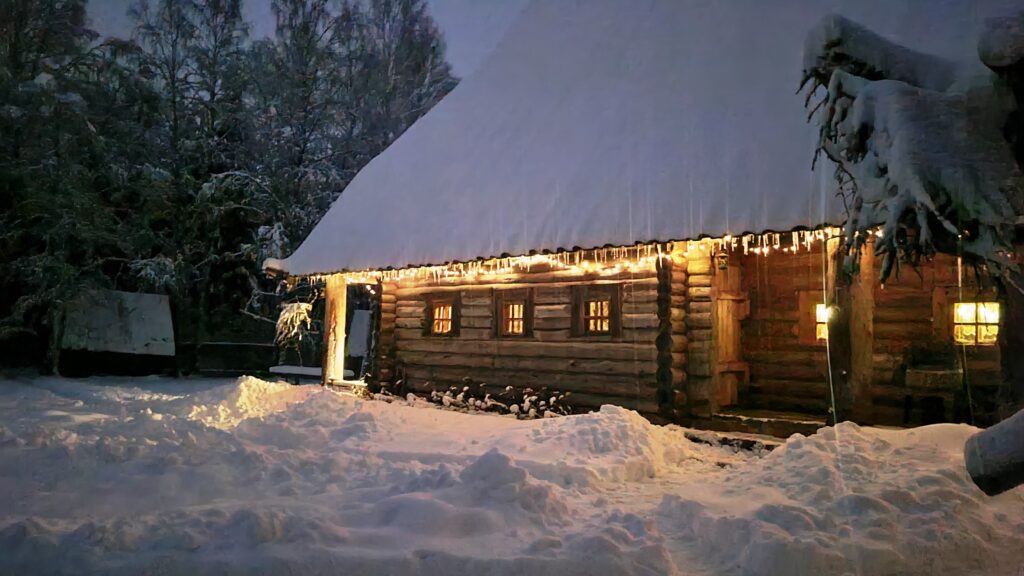
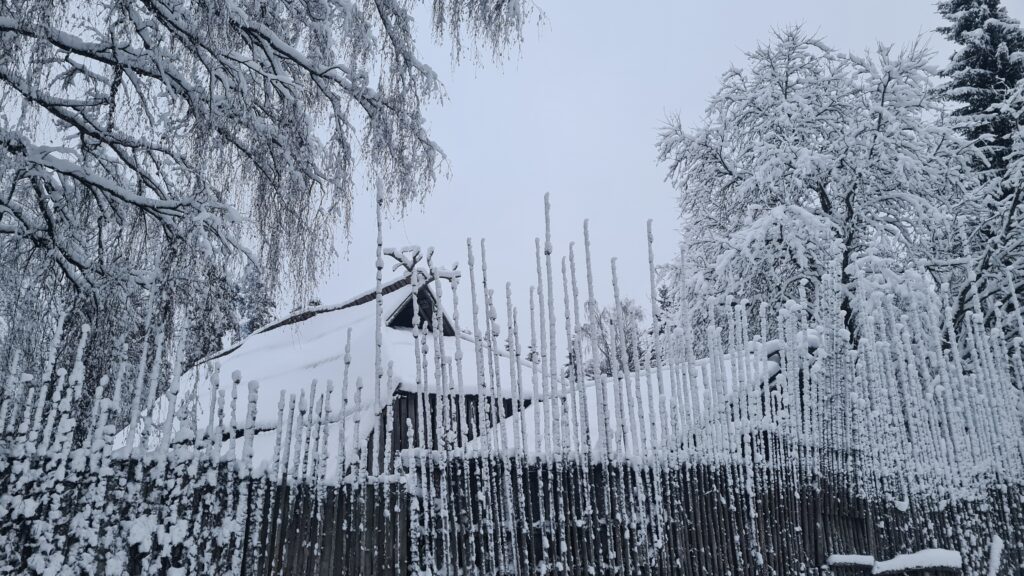
Winter can turn everything completely white, spring is noisy with birdsong, summer stretches into almost nightless nights, and autumn paints the forests in gold. And through all of it, one thing stays the same: Estonians will happily go to the sauna in every season.
Already medieval chroniclers wrote that this land is excellent for grain and cattle – in other words, this is not some hopeless, frozen corner of the world, but a place where the seasons actually work with you, not against you.
For a visitor, that means one thing:
no matter when you come, Estonia will look and feel different.
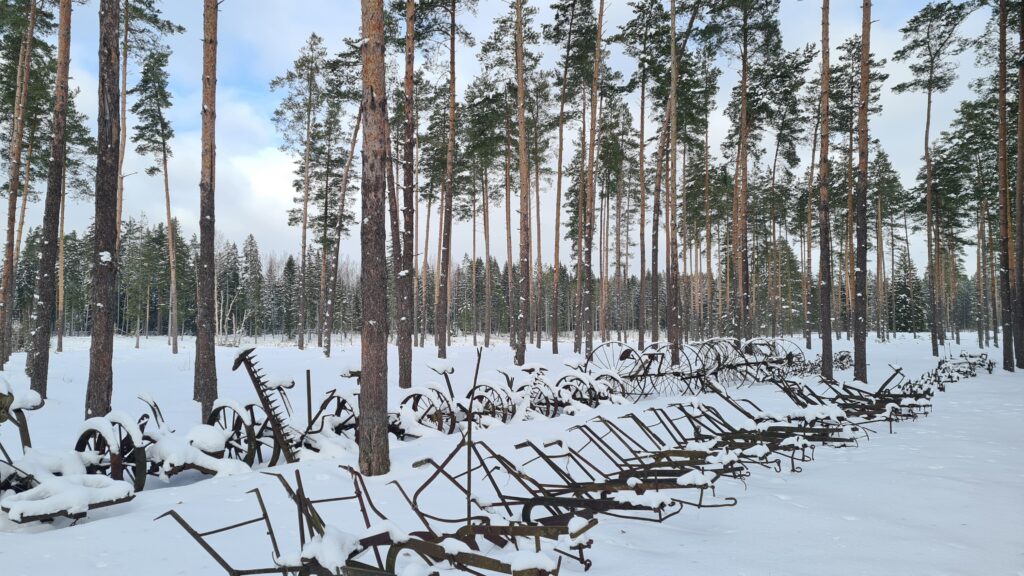
Winter – Snow, deep silence, and on lucky days every single colour – trees included – turns white.
Spring – The only truly loud season: birds are shouting, ice is cracking and everything else is still half-asleep in the mud.
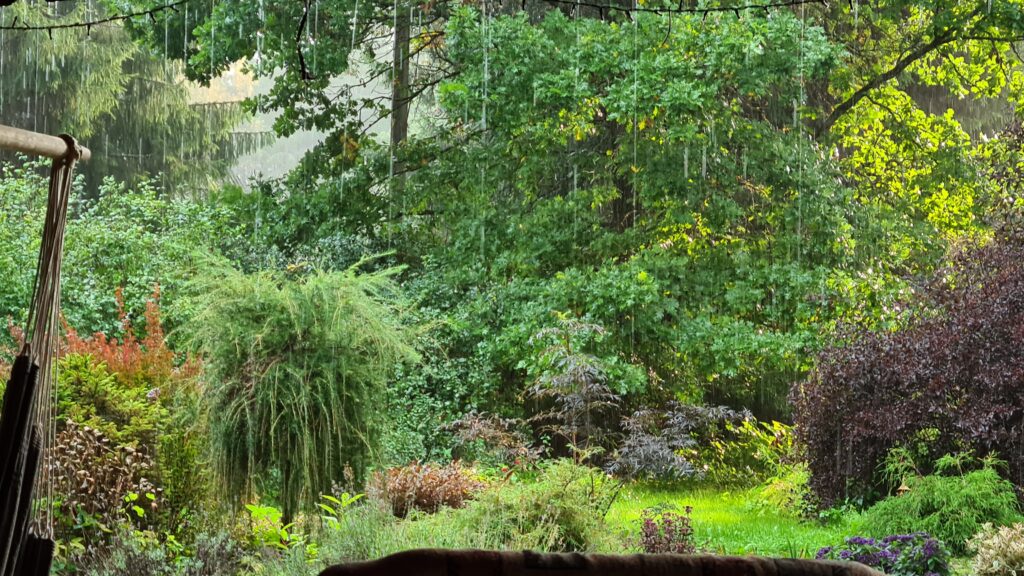
Summer – Light nights, lakes instead of air-conditioning and bare feet on grass.
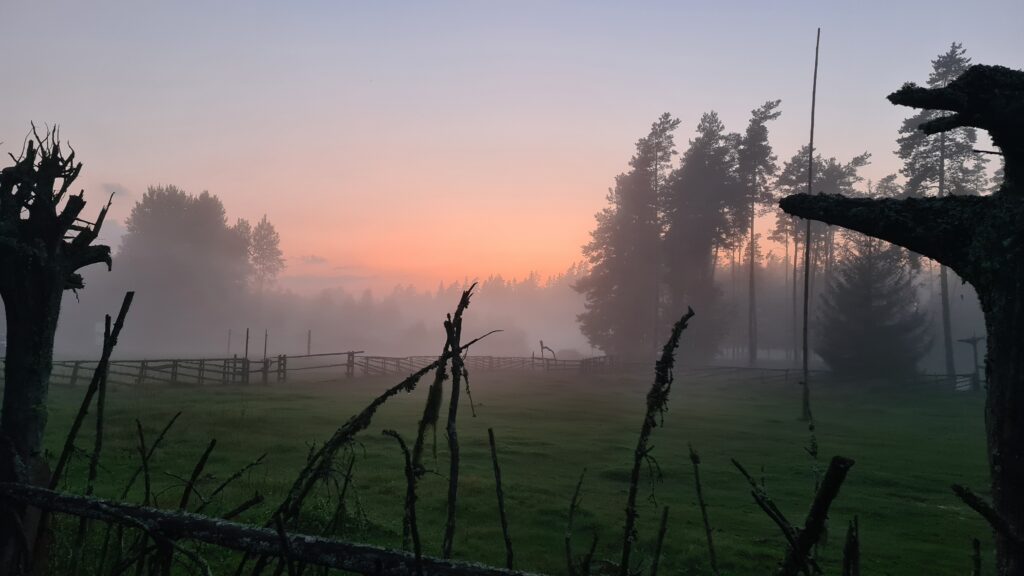
Autumn – Golden forests, misty bogs and the perfect excuse for woollen socks and hot soup.
Do & Don’t (so you can feel good here)
DO
- Do learn a few words in Estonian – tere (hello), aitäh (thank you), terviseks (cheers). Tiny effort, big effect.
- Do enjoy the silence and space – if nobody talks for a while, it usually means everything is fine.
- Do go to the sauna – in winter, spring, summer and autumn. Every season has its own kind of magic (and steam).
- Do walk in the forest and the bogs – but stay on the boardwalks unless you really know what you’re doing.
- Do drink tap water – it’s generally safe, and nobody will look at you strangely for asking for it in a restaurant.
DON’T
Don’t ever call Estonia “Russia” or Estonians “Russians”.
For historical reasons this is one of the fastest ways to kill a conversation. Ask yourself: would you confuse a chair with an electric chair?
Don’t be offended if people don’t smile or start small talk immediately.
Give it some time – warmth here arrives more like a slow sunrise than a light switch.
Don’t walk on bog boardwalks with your eyes in your phone.
The views are better in real life, and bog water is not a great souvenir.
Don’t shout in public spaces if you can help it.
Most people speak quietly; you’ll notice you can hear the birds, the wind and your own thoughts.
Breathe. (Hinga.)
Estonia is one of the very few countries in the world whose air actually meets the World Health Organization guidelines for clean air – only about seven countries make that list. Within Europe, Estonia has some of the cleanest air you can breathe and officially the cleanest air in continental Europe.
In Estonian, hing means “soul” and hinga means “breathe” – so for us, breathing and having a soul are almost the same word. If someone tells you “hinga rahulikult”, they’re not just saying “take a breath”, they’re really saying: “let your whole self calm down.”